Bryn is in the midst of a massive transformation. The area is evolving from a traditional industrial zone into a vibrant urban hub with housing and multi-functional public spaces. To manage this complexity, the Oslo Agency for Planning and Building Services (PBE) established "Bryn Samskaping" (Bryn Co-creation) – an informal arena where developers and municipal agencies meet to find solutions together. This arena has proven that it is possible to identify challenges much earlier than in a standard planning process.
Halogen was commissioned to evaluate whether this way of working actually creates value for society and the parties involved. Here is a summary of our main findings:
From Silos to Collaboration
Our primary conclusion is that the initiative fills a critical void in the way we build cities. By moving the dialogue out of formal administrative lines and into physical work sessions, the project has successfully broken down silo mentalities and built genuine trust between actors who often find themselves in a "positional war."
Through observations and interviews, we saw clear results:
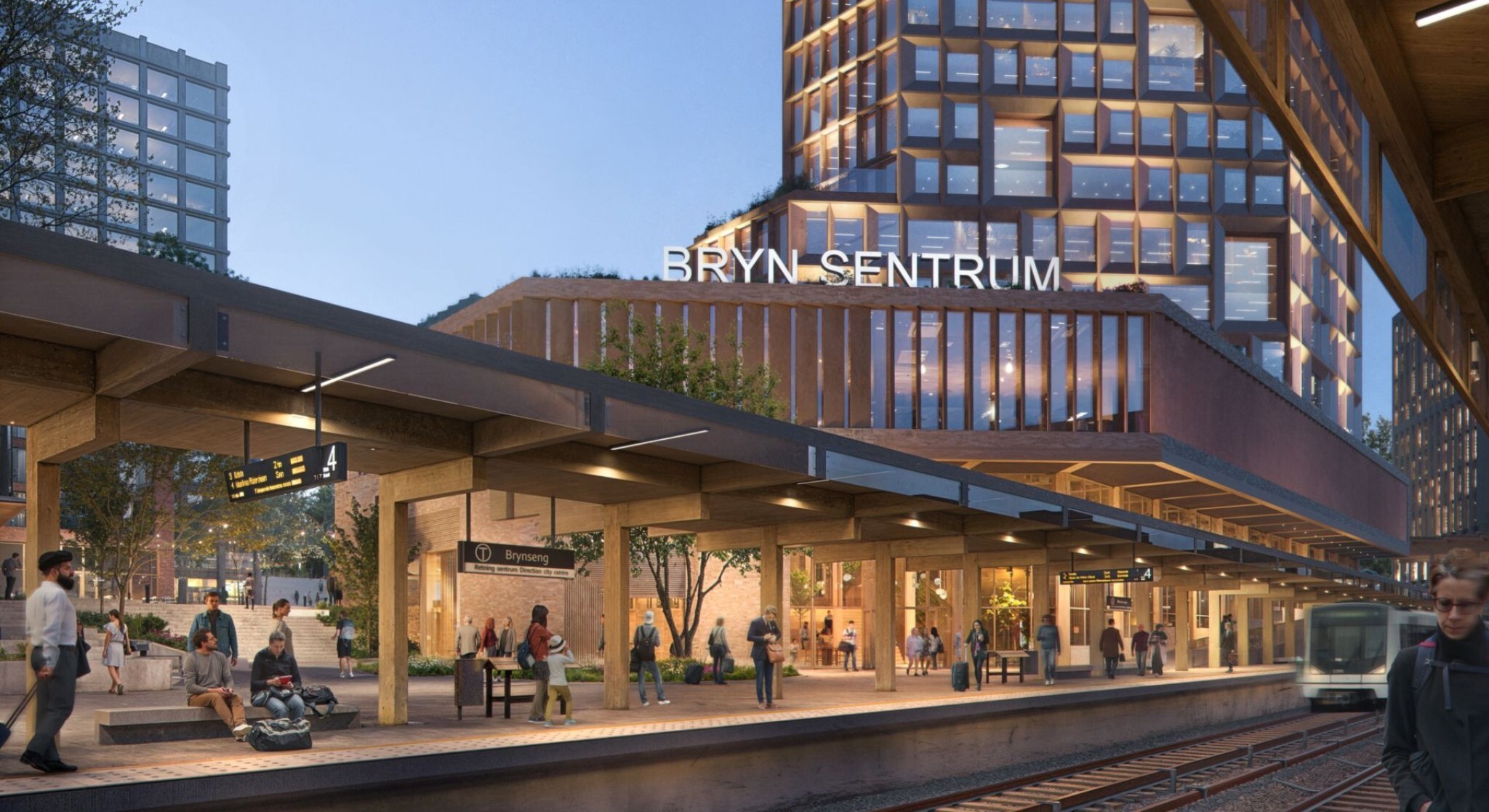
Faster problem-solving: Issues that previously stagnated in bureaucracy suddenly gained momentum. A concrete example is Bryn train station, where funding for a joint feasibility study and consultants was secured because the right people spoke together early on.
Financial predictability: Developers learn about infrastructure requirements and sequencing regulations early enough to incorporate them into their financial models. This reduces risk and saves society unnecessary costs.
Improved operational features: Agencies such as the Urban Environment Agency (BYM) can influence plans to ensure that outdoor areas are actually maintainable – whether regarding snow removal or waste management – before designs are finalized.
The Vulnerability of "Firebrand" Projects
While the value is clear, there is a downside: the model relies heavily on the initiative and commitment of specific individuals. Bryn Co-creation has largely been driven by a dedicated facilitator, making the model vulnerable.
Participants express great enthusiasm for the informal tone but also call for more structure. Without formal minutes or clear agendas, it can be difficult for participants to anchor discussed solutions within their own organizations.
The Way Forward: From Person to Platform
If co-creation is to become a lasting part of urban development in Oslo, it must transition from a person-dependent project to an institutionalized service. We have recommended that PBE continue the meeting series, but with some key adjustments to increase robustness:
Introduce "low-threshold formalities": Clearer agendas and simple decision logs that ensure progress without stifling the informal tone.
Clarify roles: Ensure everyone knows why they are there and what is expected of them, lowering the barrier to contribute.
Ensure representation: Currently, the voices of future residents are missing.
Bryn Co-creation has great potential to become a method for risk mitigation. It’s about viewing legislation and plans as material to be shaped together, rather than barriers to be fought.
“We requested a brutally honest evaluation and feedback to make the necessary adjustments and improvements to make Bryn Co-creation even more value-creating. And Halogen delivered.”

Jambai Kassama
Senior designer
jambai.kassama@halogen.no