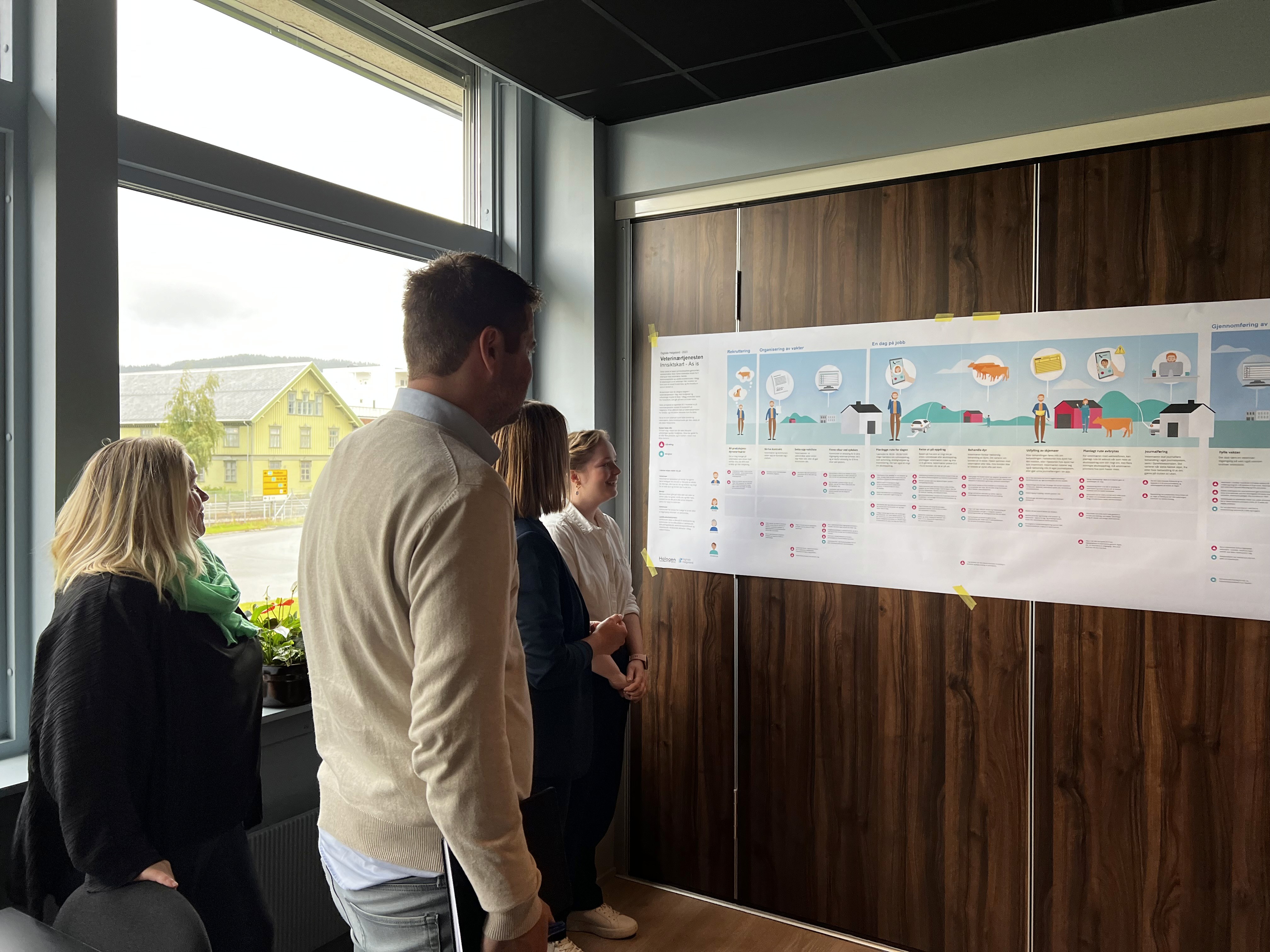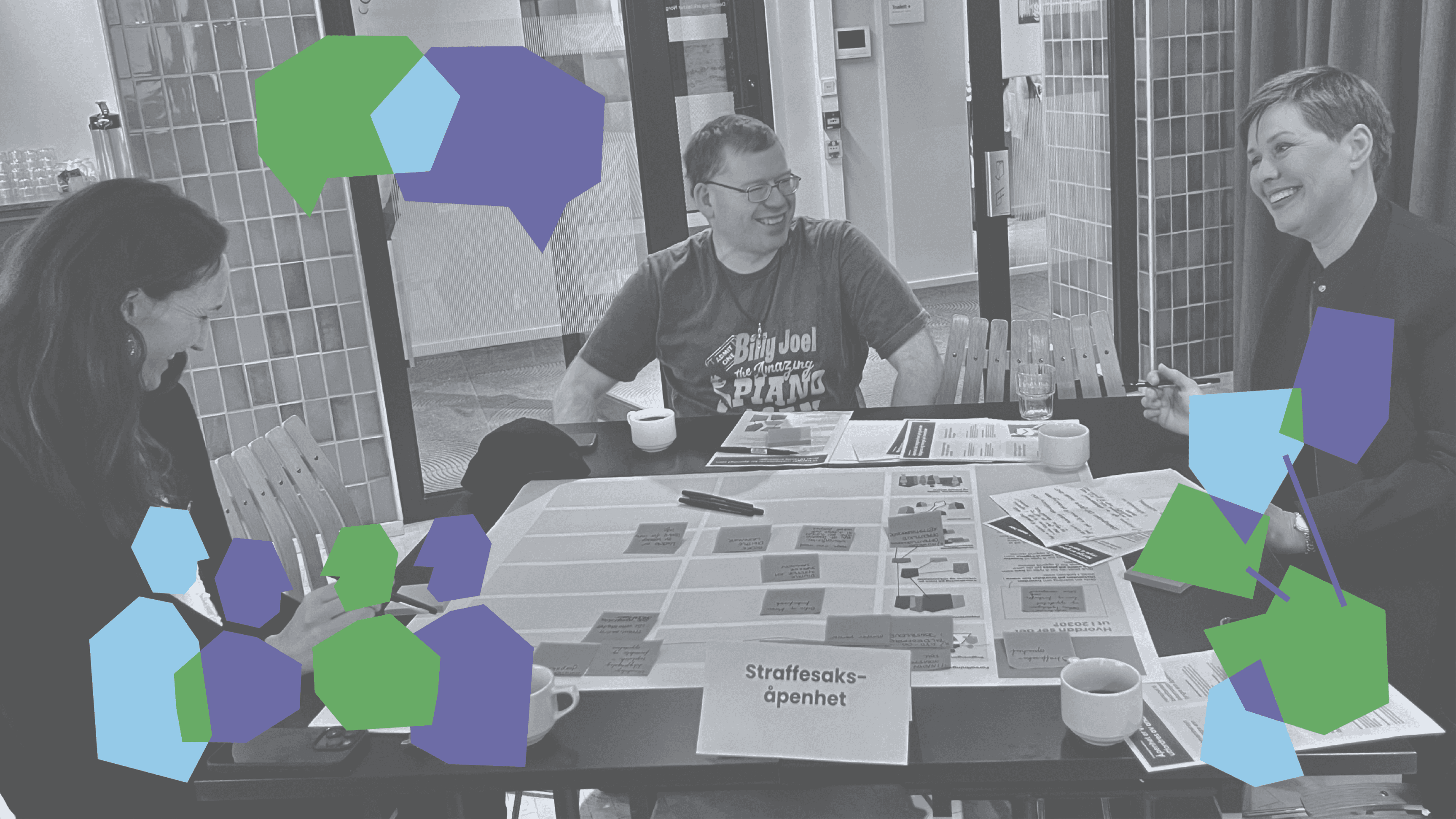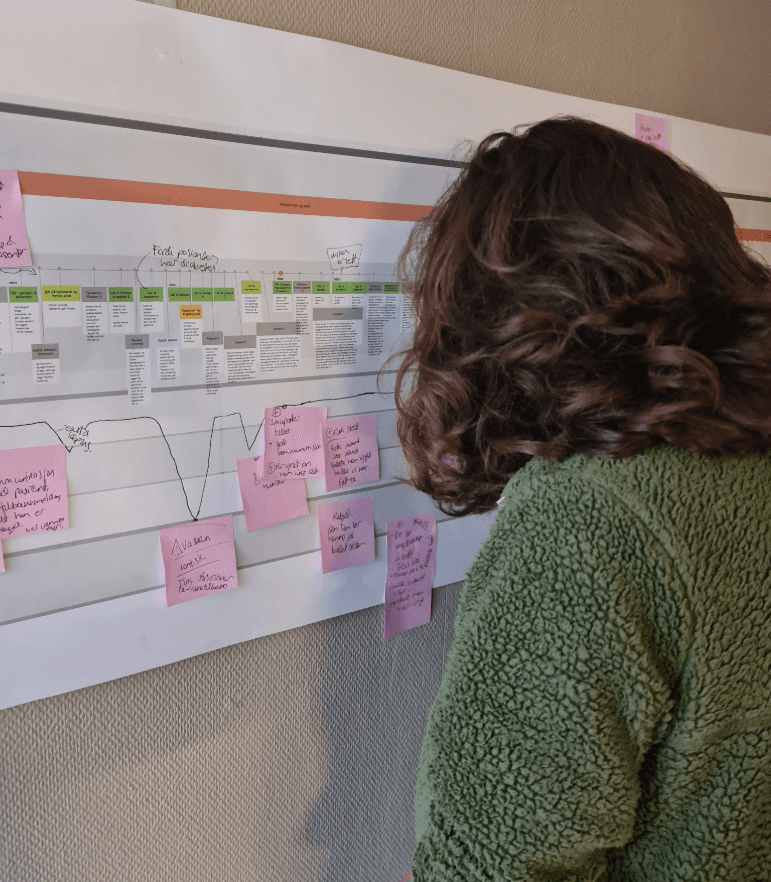
Halogen’s mapping study, conducted in autumn 2023, brings together scientific research, practice-based insight, and expert judgement.
The report identifies five central findings that highlight the need for a transformative approach:
Current development efforts are insufficient.
Social exclusion is driven by complex and interrelated causes and is reinforced by a fragmented support system. There is a clear need to strengthen prevention and early intervention.Lack of coordination and synergies.
Although many cross-sector initiatives share overlapping objectives, they lack structured linkages and mechanisms for collaboration to ensure that efforts reinforce one another.The need for holistic and systemic thinking.
Social exclusion is a persistent, “wicked” problem that requires fundamental changes in ways of working and organising — not merely improvements to individual services. More systematic experimentation and meaningful user involvement are essential.Requirements for stable structures and shared understanding.
The effort demands long-term, binding, and flexible collaboration across levels of government. A shared understanding of the problem and strong working relationships are prerequisites for success.Framework conditions must change.
Today’s fragmented and short-term funding mechanisms, along with governance logics that conflict with cross-sector collaboration, must be reformed. Framework conditions need to become impact-oriented and incentivise long-term outcomes.
Read the full report:
https://www.forskningsradet.no/siteassets/publikasjoner/2023/kartlegging-2023_halogen_malrettet-samfunnsoppdrag.pdf

Henriette Hedløv
Business developer
henriette.hedlov@halogen.no